Introduction
Importing from reliable dried sweet potato suppliers in Vietnam demands more than just selecting a vendor—it requires a precise workflow, technical specification alignment, and an understanding of processing, packaging and export logistics. According to drying-technology research, to achieve a safe finished product moisture content of less than 7 % in sweet potato slices takes a significantly long process and optimized conditions. Frontiers This guide takes you step by step through sourcing, specification setting, supplier evaluation, contract negotiation and logistics, so you can import with confidence. Learn more about OEM/ODM manufacturing at dried sweet potato factory OEM Vietnam

Step 1: Define Your Specification Early
Before engaging suppliers, define your product specification clearly—this will guide sourcing and reduce variation. Key specification items include:
- Finished moisture content (≤ 10 % is a good benchmark). Research shows reaching moisture <7 % in sweet potato slices is challenging without long drying times. Frontiers
- Slice thickness (common target: 2-4 mm) – thickness affects drying rate. Studies found that 8 mm thick slices required ~108 % longer drying time than 3 mm slices under infrared drying. PMC
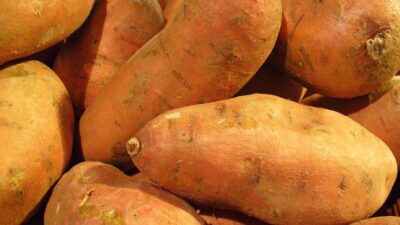
- Raw tuber dry matter content (≥ 25 %) – higher dry matter tubers yield more finished product per ton of fresh.
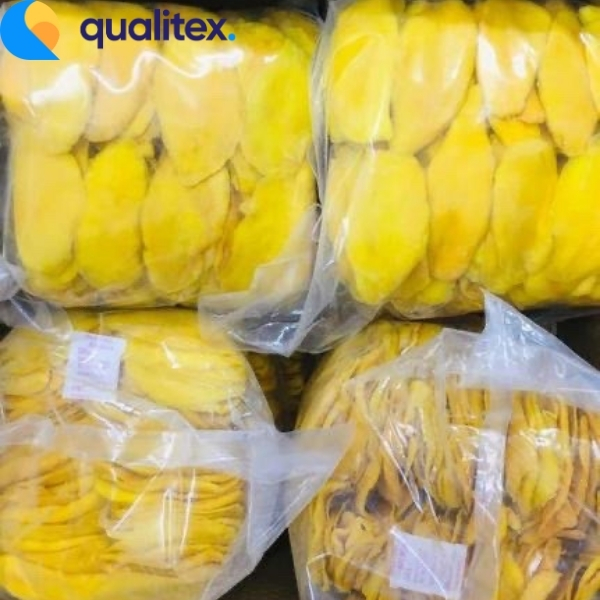
- Packaging form (bag size, barrier film spec, nitrogen flush or vacuum) – appropriate packaging impacts shelf stability, especially for export.
See private-label options at private label dried sweet potato dog treats
Step 2: Shortlist and Audit Potential Vietnamese Suppliers
When evaluating potential suppliers, focus on these criteria:
- Food safety certification (e.g., HACCP, ISO 22000) – ensuring that the factory maintains export-compliant hygiene and processing controls.
- Processing capacity and drying technology – ask for their daily throughput, slice thickness capability, drying method and typical lead time from raw tuber to packed product.
- Raw material sourcing – verify the variety of sweet potato used, fresh tuber dry‐matter percentage, and harvest timing. A study on sweet potato physical properties found moisture content varied significantly by variety (e.g., 72-75 % vs 59-62 %) near harvest. MDPI
- Packaging and export readiness – confirm bag structure, film barrier spec, palletisation, labelling and container loading standards.
Explore manufacturing & wholesale setup at dried sweet potato supplier wholesale
Step 3: Sample Production & Testing
Once you select one or two suppliers, request a production-sample run. Use this sample to test:
- Moisture and water activity (should meet your ≤10 % moisture target and aₜ ≤ 0.60)
- Slice uniformity (check thickness variation and colour consistency)
- Packaging integrity (é.g., barrier film doesn’t leak, no visible moisture ingress)
- Re-hydration or texture test if positioning for premium snack – for example studies show rehydration capacity is influenced by drying conditions and slice thickness. PMC
If the sample meets your criteria, proceed to contract negotiation, specifying your specs, lead times, private label elements and penalty clauses for non-conformance.
For product details visit product dried sweet potato
Step 4: Contract & Logistics Planning
Your contract with the supplier should cover:
- Specification sheet (slice size, moisture, dry-matter, packaging)
- Private label scope (bag size, print design, pallet count)
- Production schedule & lead time (e.g., sample in 4 weeks, production lead time ~8-12 weeks)
- Quality assurance & inspection protocol (third-party inspection option)
- Shipping terms and storage conditions (ensure container is correctly packed for export)
Logistics: ensure export documentation (FDA/FSIS, phytosanitary certificate, origin certificate) and container loading check list.
Step 5: Arrival, Quality Check & Ongoing Monitoring
When the shipment arrives:
- Inspect packaging condition, check each pallet for damage or moisture ingress.
- Remove a random sample and test for moisture and water activity, compare with certificate of analysis.
- Monitor product performance in storage (e.g., after 3 months check for moisture increase or texture softening).
- Maintain traceability: batch codes should link product back to harvest date, processing date and line.
Summary Table of Key Metrics for Importers
| Metric | Target/Benchmark |
|---|---|
| Finished moisture content | ≤ 10 % |
| Slice thickness | 2-4 mm |
| Raw tuber dry-matter content | ≥ 25 % |
| Sample approval lead time | ~4 weeks |
| Production lead time | ~8-12 weeks |
Conclusion
Importing dried sweet potato from Vietnam through competent dried sweet potato suppliers opens access to large-scale manufacturing, variety options and private-label flexibility. The key to success is defining clear specifications, auditing suppliers thoroughly, executing a sample phase, and setting up robust logistics and quality-monitoring systems. If you are looking to import high-quality dried sweet potato from Vietnam and need a trusted OEM/ODM manufacturer, contact Qualitex Global to support you early and drive toward successful and consistent supply.
FAQ Section
Q1: What moisture level should I require for finished dried sweet potato?
A1: A finished moisture content of ≤10 % is a strong benchmark for export-ready dried sweet potato. Very low moisture (<7 %) may require long drying times and raise cost. Frontiers
Q2: How thick should slices be for optimum drying and quality?
A2: Slice thickness of 2-4 mm is common; thicker slices increase drying time significantly (e.g., 8 mm slices required ~108 % longer drying time in an infrared study). PMC
Q3: What is typical lead time from contracting to receiving dried sweet potato imports?
A3: Sample approval may take around 4 weeks, contract negotiation and production lead time around 8-12 weeks depending on factory capacity, or longer if private-label customisation is required.
Q4: What auditing criteria should I use for Vietnamese dried sweet potato factories?
A4: Ensure the factory has certified food-safety systems (HACCP/ISO), stable raw-tuber sourcing with known variety and dry-matter %, proper drying and packaging lines, and export-ready documentation.
Q5: Why is raw tuber dry-matter content important for finished product quality?
A5: Tubers with higher dry-matter yield more finished dried product per ton of fresh, reduce shrinkage during drying and support consistent texture. Selecting suppliers who can supply tubers with ≥25 % dry matter helps ensure finished product yield and quality.