Last updated on December 12th, 2025 at 11:48 am
Introduction
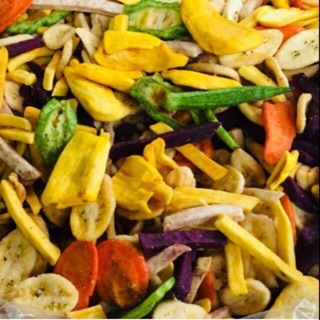
In 2025, the demand for tropical dried fruits continues to grow as global snack brands and food service buyers seek high-quality, shelf-stable ingredients. Vietnam, with its tropical climate and efficient processing infrastructure, is emerging as a strong base for dried fruits suppliers. According to the Food and Agriculture Organization (FAO), conventional dried fruits are typically processed to final moisture levels around 15 % to ensure stability. Open Knowledge FAO+1
For importers, understanding the full import journey—supplier evaluation, specifications, export logistics and documentation—is crucial. This guide provides detailed steps and data to help you partner with a reliable supplier in Vietnam such as the one found at dried fruit factory OEM Vietnam.
1. Why Vietnam is a Competitive Source for Dried Fruits Suppliers
Vietnam offers a combination of favourable fruit-growing conditions, increasing processing capacity and export logistics.
- Many processing facilities in Vietnam are certified to ISO 22000 / HACCP standards and handle multiple fruit types under one roof—as described by one leading Vietnamese processor.
- For dried fruits, the standard moisture specification matters. The Codex Alimentarius Commission General Standard for Dried Fruits (CXS 360-2020) specifies that dried fruits “shall be sufficiently dried to ensure food safety” and comply with a maximum moisture level appropriate for the fruit variety. FAOHome
- With coastal ports in Ho Chi Minh City and rail access inland, Vietnamese suppliers can serve both Asia and global markets with competitive transit times.
2. Key Specifications to Request from a Dried Fruits Supplier
Here is a practical table of benchmarks you can use when discussing with a Vietnam-based supplier:
| Specification | Benchmark Target | Why it matters |
|---|---|---|
| Finished moisture (%) | ≦ 12-15 % | Reduces microbial risk and preserves quality in transit and storage. DHP ONE+1 |
| Water activity (aₜ) | ≦ 0.65 | Lower aₜ slows spoilage and extends shelf life. |
| Packaging shelf life | 12-18 months | Enables global shipping and inventory planning. |
| Certifications | HACCP, ISO 22000 | Shows the supplier manages food-safety hazards and system controls. |
These numbers help you set clear product specifications in your supplier contract and sample evaluation.
3. What to Look For in a Quality Supplier
When assessing a Vietnam dried fruits supplier, use this checklist for evaluation:
- Certifications and audit records: Ensure the facility holds HACCP and ISO 22000 certificates and can provide recent audit or inspection reports. This matters because export compliance and food-safety risks are lower when a system is certified.
- Processing technology and lead time: Ask about drying methods (hot-air, vacuum, freeze), typical processing lead time (e.g., fresh fruit to pack within 48 hours) and throughput. A supplier that turns fresh fruit into dried product quickly helps maintain flavour and colour.
- Raw-material sourcing and variety control: Confirm that the supplier works with contract farms, sorts fruit by maturity and size, and conducts incoming inspection. Consistent raw material leads to consistent finished product quality.
- Packaging and customization options: For private-label use you may need flexible bag sizes (e.g., 100 g, 500 g) and custom printing. A supplier offering this flexibility supports your brand growth.
- Export logistics and documentation: The supplier should deliver export-ready packs, handle sea- or air-freight, provide Certificate of Origin, phytosanitary certificate and have experience shipping to your market. This matters because delays or missing paperwork can cost time and money.
By asking these questions and obtaining evidence, you reduce risk and position your import operation for success.
4. Import Process: A Step-by-Step Flow
Here’s a breakdown of the import process from Vietnam for dried fruits:
- Define your product specification including moisture target, packaging style, certification requirements and branding.
- Request supplier samples and run lab tests for moisture, water activity, microbial counts and sensory profile.
- Contract negotiation covering MOQ, lead time, private-label support, packing design, inspection terms and logistics.
- Pre-shipment inspection (optional) to check product meets specs and packaging is correct.
- Export documentation received from supplier: Certificate of Origin, packing list, invoice, phytosanitary certificate.
- Shipping logistics: Sea freight from Vietnam typically takes ~20-30 days depending on destination. The product should be stored and shipped in cool, dry conditions to maintain quality (≤ 25 °C, RH < 60 %). CBI
- Arrival and warehousing: Upon arrival, inspect the product, ensure packaging integrity and place in storage with controlled conditions before distribution.
Following these steps helps you manage the process end-to-end and avoid surprises.
5. Quality Assurance & Traceability
To ensure consistent supply and build a trusted brand, importers should:
- Request batch test reports showing moisture content, water activity, microbial counts, sulphite levels (if used) and heavy-metal screening.
- Conduct sensory evaluation for colour, texture, aroma and absence of off-flavours.
- Ask for traceability documentation from farm to finished pack—this provides transparency and helps with audit or brand-compliance requirements.
- Define storage and shelf-life terms: Some suppliers specify 12-18 months when stored at ≤ 25 °C and RH < 60 %. Ensuring this aligns with your inventory and retail plan avoids wasted stock.
- Plan for re-order cycles and supplier responsiveness, ensuring you have secure supply during seasonal fruit fluctuations.
6. Why Importers Are Choosing Dried Fruits from Vietnam
Dried fruits offer growing appeal for snack brands, health-food lines and export packaging due to long shelf life, flavour retention and versatility. Furthermore:
- The moisture and water-activity levels for properly dried fruit reduce microbiological risk according to the FAO/WHO ranking of low-moisture foods. World Health Organization+1
- Vietnam’s tropical fruits often start with high sweetness (Brix) and good fibre profile, which means less need for sugars and flavour correction in finished product.
- Suppliers are increasingly offering private-label support and export-ready logistics, making them viable global partners rather than simply commodity vendors.
Conclusion
Sourcing dried fruits from Vietnam demands clarity of specification, robust supplier evaluation, and a well-managed import workflow. By using the benchmarks above, working with suppliers that meet certification, traceability and packaging requirements, and following a clear import process, you position your business for success.
If you want to import premium dried fruits via an OEM/ODM manufacturer in Vietnam with private-label support, consider reaching out to a seasoned supplier like Qualitex Global as your trusted partner.
FAQ Section
Q1: What finished moisture level should I expect for export-grade dried fruits?
Typically, for export quality dried fruits, a target finished moisture of 12-15 % is used to ensure stability and reduce microbiological risk. Reference standards such as CXS 360-2020 stress that dried fruits “shall be sufficiently dried to ensure food safety.” FAOHome+1
Q2: How long can dried fruits stored if properly packed and handled?
With proper barrier packaging, nitrogen flush or vacuum packing, and storage at ≤ 25 °C with relative humidity under 60 %, shelf life of 12-18 months is common for export dried fruits.
Q3: Which certifications should a dried fruits supplier have when sourcing from Vietnam?
Look for HACCP and ISO 22000 certifications, plus documented audits. These ensure the supplier maintains food-safety processes, traceability and hygienic operations.
Q4: How important is traceability in the supply chain for dried fruits?
Traceability—from farm through processing to finished product—underpins supply-chain transparency, supports private-label branding, helps with audit compliance and mitigates risk of non-compliance or recalls.
Q5: What packaging features should I verify for imported dried fruits?
Ensure the packaging uses multi-layer barrier film with low oxygen transmission, supports nitrogen flush or vacuum seal, allows flexible sizes for retail or bulk, and that the labeling meets your target market’s requirements (origin, lot number, storage instructions).